








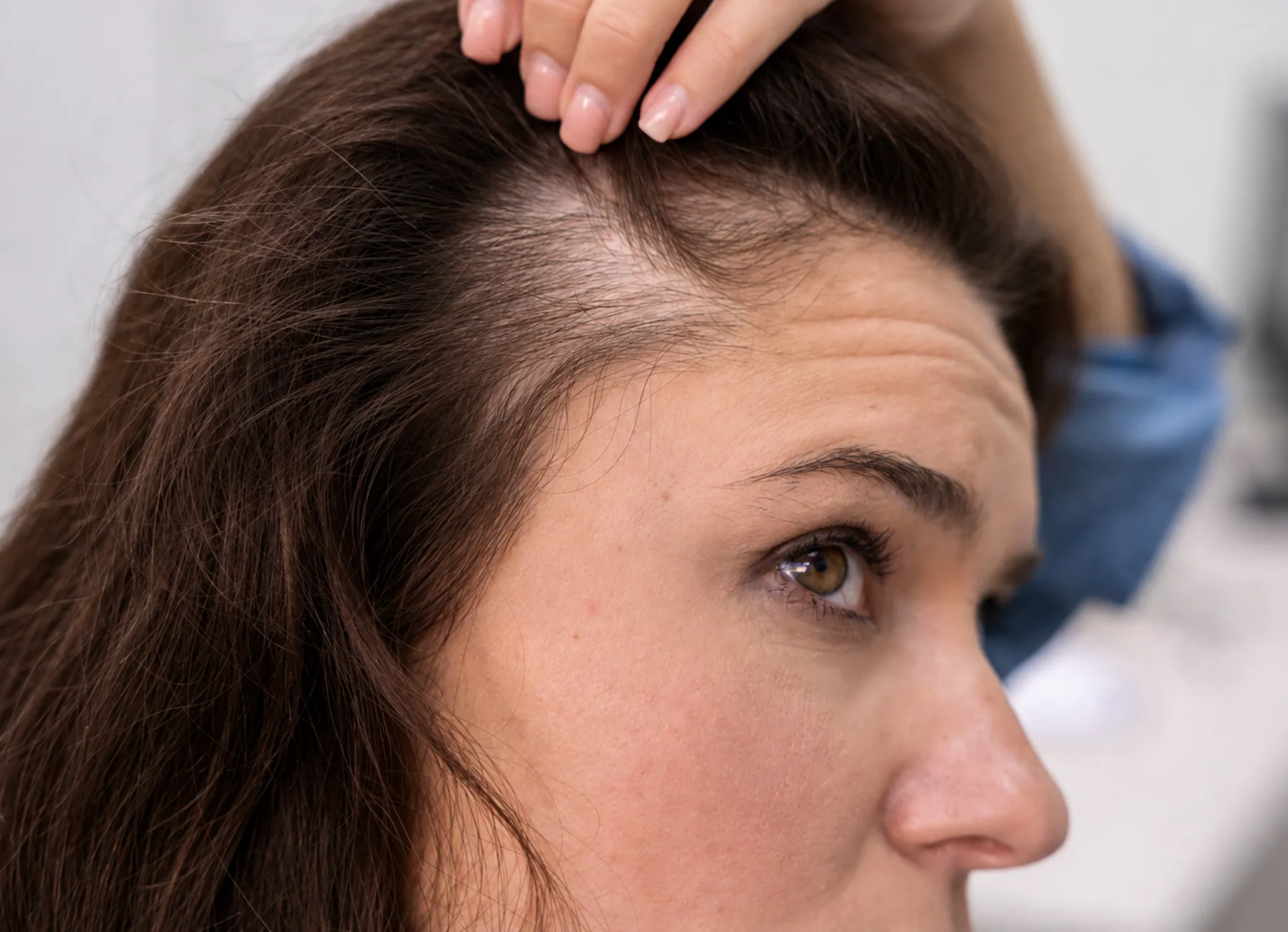
Hair Fall & Balding
Progressive thinning may become noticeable around the hairline, temples or crown, or simply as less overall hair density. The pattern and how quickly it develops can help distinguish balding from temporary or increased shedding.


Hair changes are not always as simple as ‘hair fall’. You may notice more shedding than usual, gradual thinning, changes around the hairline or crown, or even problems such as flaking and scalp irritation. The reason behind these changes can differ from person to person.
At Ageology, we look at your hair and scalp together to understand the pattern of change, the condition of the scalp and what may be contributing to the concern.
Hair loss, excessive shedding and scalp problems can sometimes happen together, but they do not always mean the same thing. Looking at what has changed can help narrow down the concern.
Progressive thinning may become noticeable around the hairline, temples or crown, or simply as less overall hair density. The pattern and how quickly it develops can help distinguish balding from temporary or increased shedding.
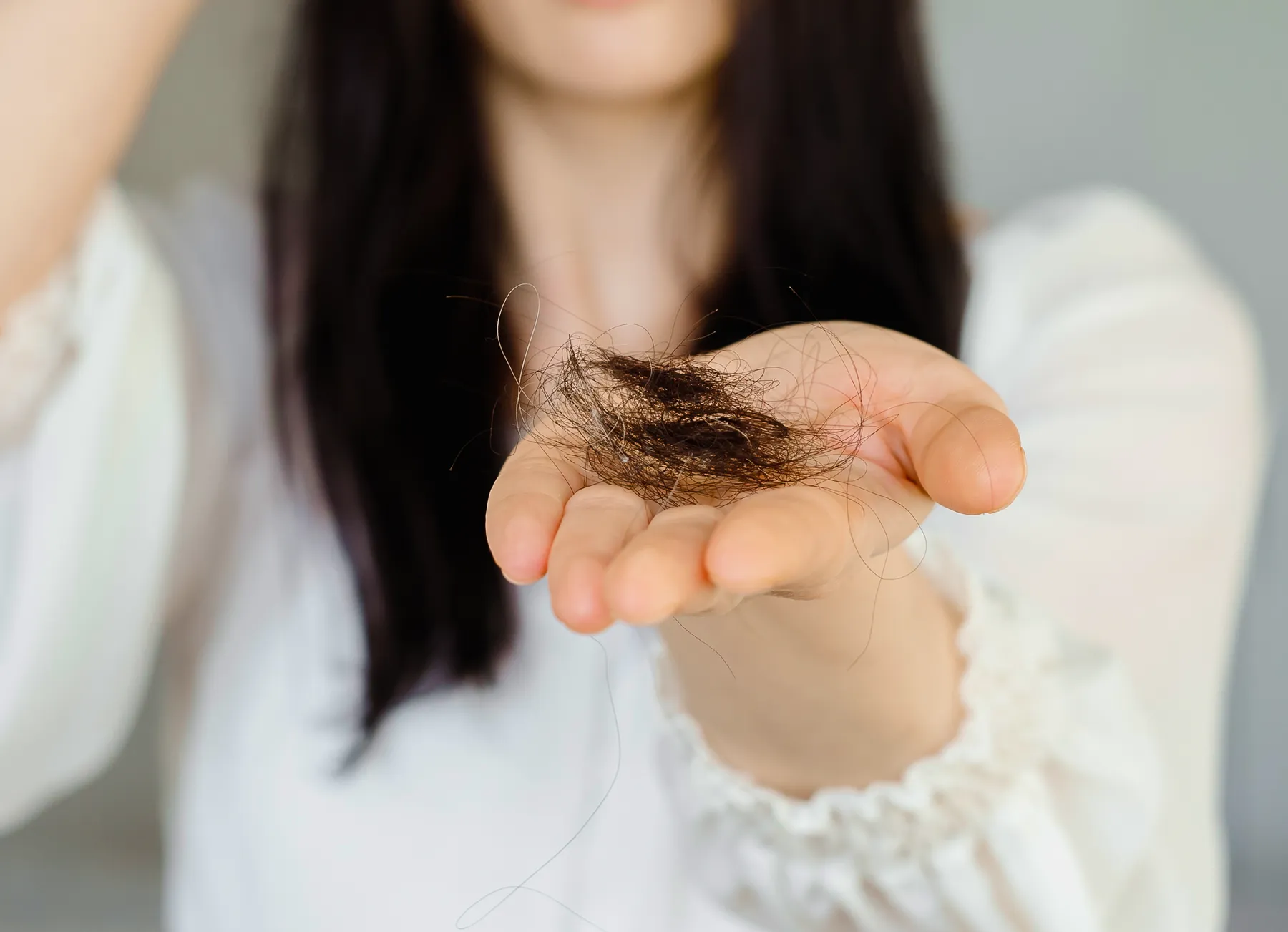
Hair loss may show up as increased shedding, a widening part, diffuse thinning or an overall drop in density. Some types settle with time, while others may continue, which is why the pattern and possible triggers matter.
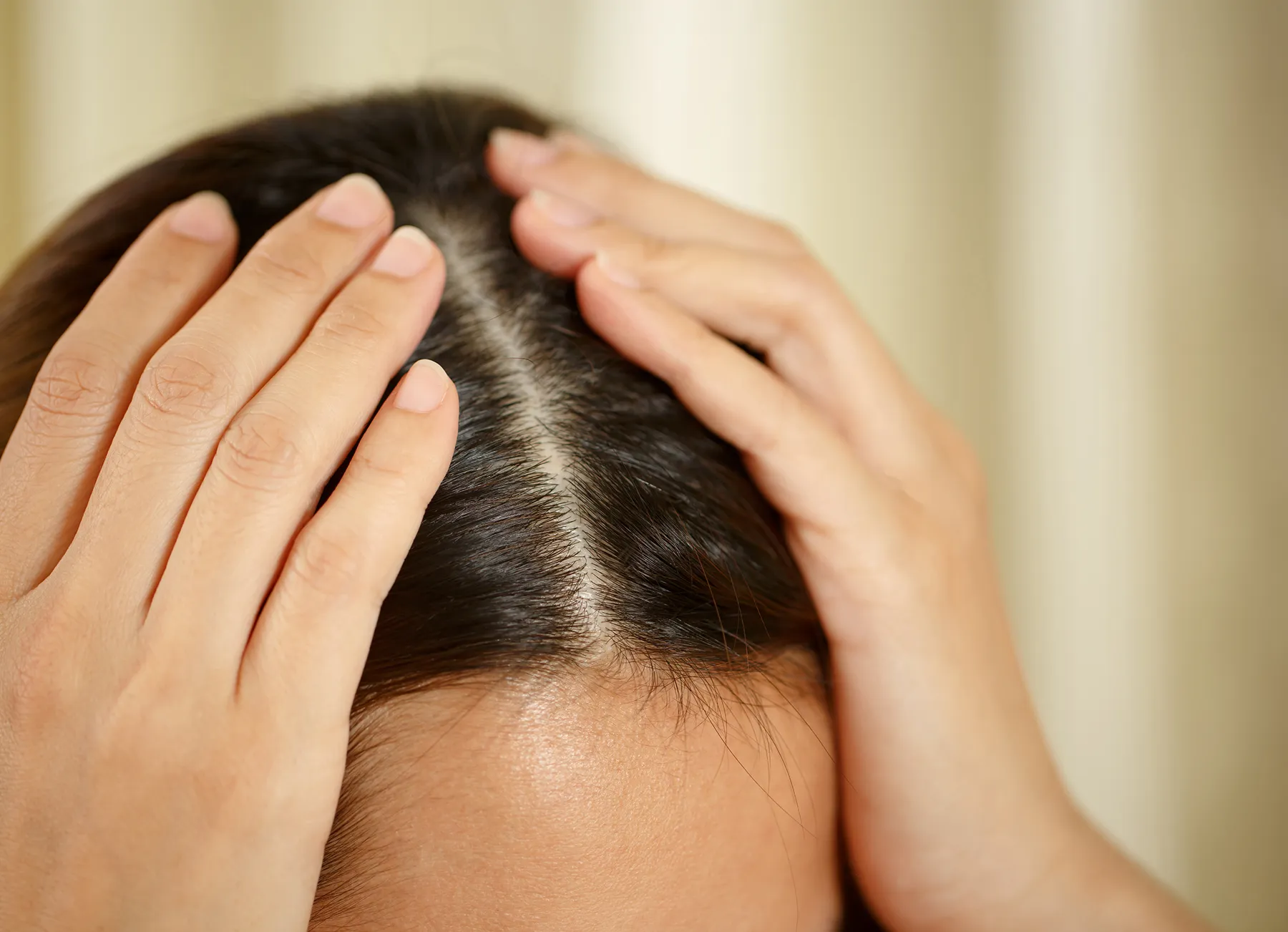
Persistent dandruff, flaking, dryness, itching or redness can make the scalp uncomfortable and may sometimes occur along with hair changes. Since different scalp problems can look quite similar, it helps to first understand what is causing the symptoms.
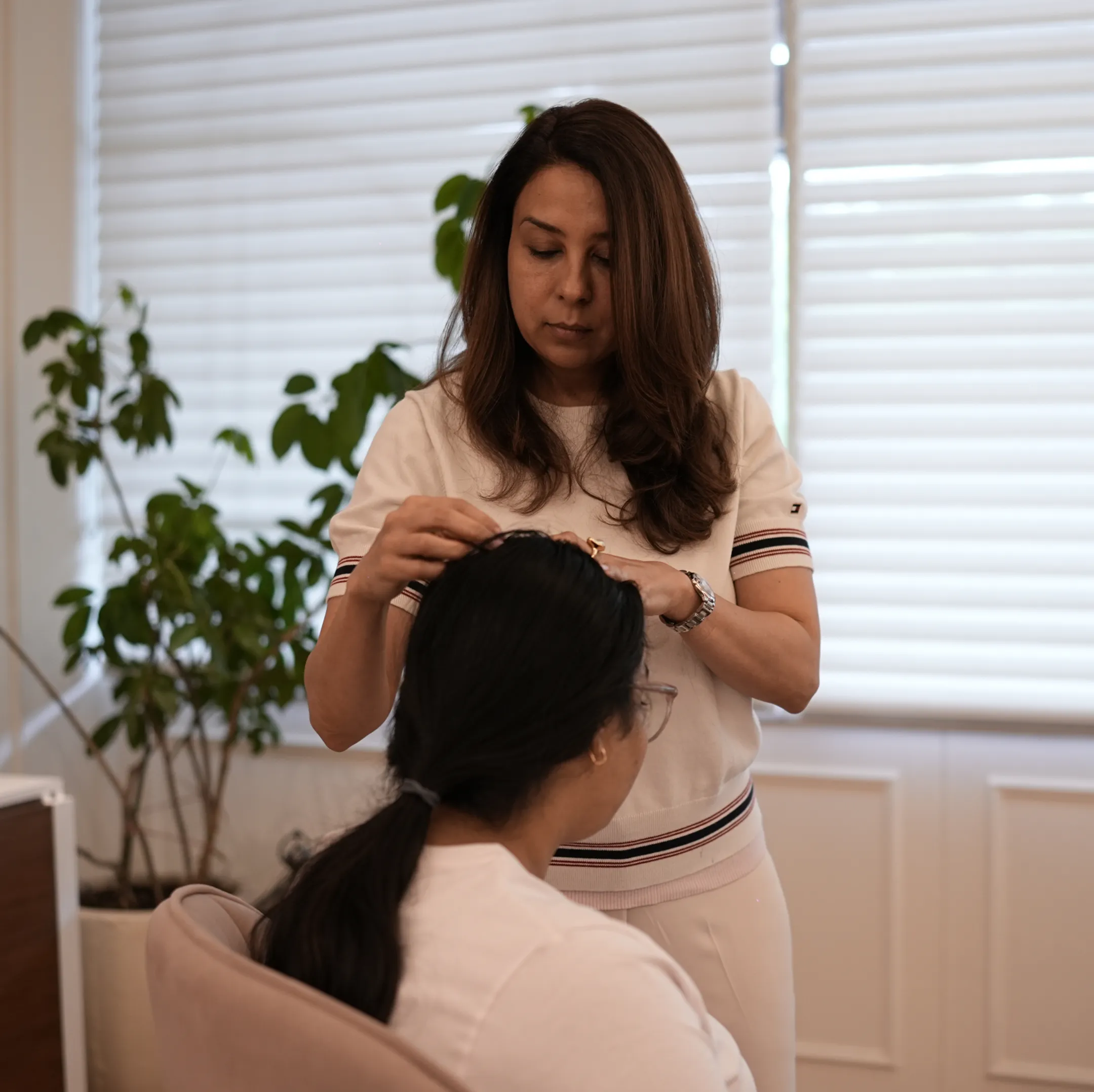

There is no single approach that works for every hair or scalp concern. Before recommending anything, we consider the pattern of hair loss, scalp condition, medical history and other factors that may be relevant.
Common concerns include excessive hair shedding, gradual thinning or balding, a widening part or receding hairline, dandruff, scalp dryness and persistent itching or irritation. Some people may notice more than one of these changes at the same time.
Start by noticing what has changed and how quickly it happened. More hair on your brush or pillow may point towards increased shedding, while a widening part, receding hairline or gradually thinner areas can be signs of hair loss. If flaking, redness or itching is also present, the scalp itself may need to be looked at separately.
Hair loss deserves closer attention if it is sudden, continues to worsen, causes visible bald patches or is accompanied by scalp pain, intense itching, redness, scaling or sores. Gradual changes such as a widening part, receding hairline or steadily decreasing density are also worth assessing rather than waiting for the loss to become advanced.
Yes, particularly if the hair loss is persistent, getting worse or you are unsure what is causing it. Hair loss can happen for many different reasons, and identifying the cause early can help determine whether it is likely to settle on its own or needs further care.
Hair loss does not follow the same staging system in every person. Pattern hair loss may be graded using recognised scales, while other types are assessed by looking at the pattern and amount of thinning. A hair and scalp assessment usually gives a clearer picture than trying to work out the stage yourself.
Sometimes. Conditions that cause significant scalp inflammation, infection or persistent irritation can occur alongside hair shedding or loss. However, dandruff, itching or dryness does not automatically mean you will lose hair, so ongoing scalp symptoms should be assessed based on their actual cause.

Immerse yourself in a world-class clinical aesthetic experience designed around absolute privacy, medical excellence, and understated luxury.